
Agricultural Experimentation
The Truest Science

Science, they said,
with reverent breath
and waited quietly
for death.
The truest science is trying things.
Experiments run at home with the help of the family have two important benefits—for one, they make your family into the site of knowledge production, one of the most prestigious activities in the modern world. This helps a great deal in your project of establishing your family as a rich and high status independent source of identity. For two, it induces a healthy scepticism of expertise.

(For three, they are fun).
Last year we tried transplanting squash, which most experts say you aren’t supposed to do. It worked, until a dry patch coincided with a family vacation and a hose timer that broke…
This year we expanded the experiment. Our goal was to establish the makings of a garden indoors before the last frost, then transplant them outside already full sized, for a much earlier garden. We wanted to enjoy the fresh vegetables for a month longer.
We tried tomatoes, squash, and cucumbers. The latter two are not supposed to transplant well.
To avoid transplanting issues, we used cardboard boxes and homemade jute grow bags. Biodegradable material that we could put directly into our garden. The soil was a healthy mix of compost, peat moss, bio char, and a touch of bone. We watered frequently.
About half the squash and cucumbers just died or didn’t grow. This was acceptable.
Choosing biodegradable containers worked too well. The cardboard and the jute started rotting well before we put them outside. This made hardening them off difficult.
Hardening off—before transplanting, new plants grown inside should be gradually exposed to the outdoors
Getting them into the ground turned into a three-ring circus of multiple hands shoved in everywhere trying to hold soil behind a tattered remnant and trying to coordinate an ungainly shift to the ground. It was ludicrous. Next year we think packing them in less tight inside and maybe putting them on top of a wire cooling sheet so the bottom isn’t sitting in water. On the other hand, having the container rot is part of the point, so we would probably have to compensate by watering very heavily at first.


We started getting tomatoes mid-June, a full 30 days before we would have otherwise.
We also got early cucumbers, but the plants are just not thriving. The comparison cucumbers we planted directly at the normal time are doing better.
The transplanted basil died, but the one we forgot to put out has just kept growing nicely in the house.
The squash has been doing very well, so much so that we apparently timed it perfect with an insect predation cycle and we are now swarming with squash bugs. Ugh.
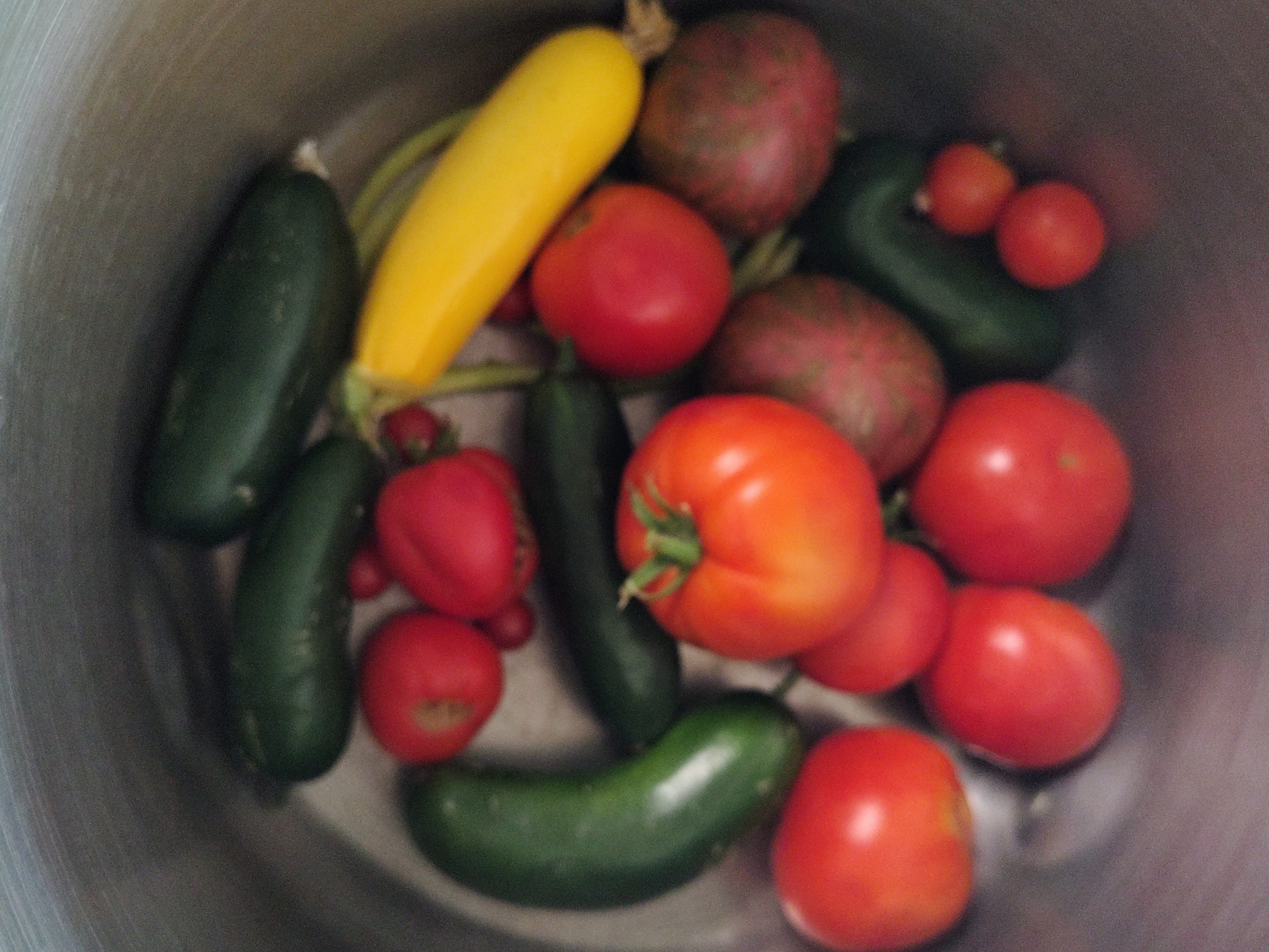
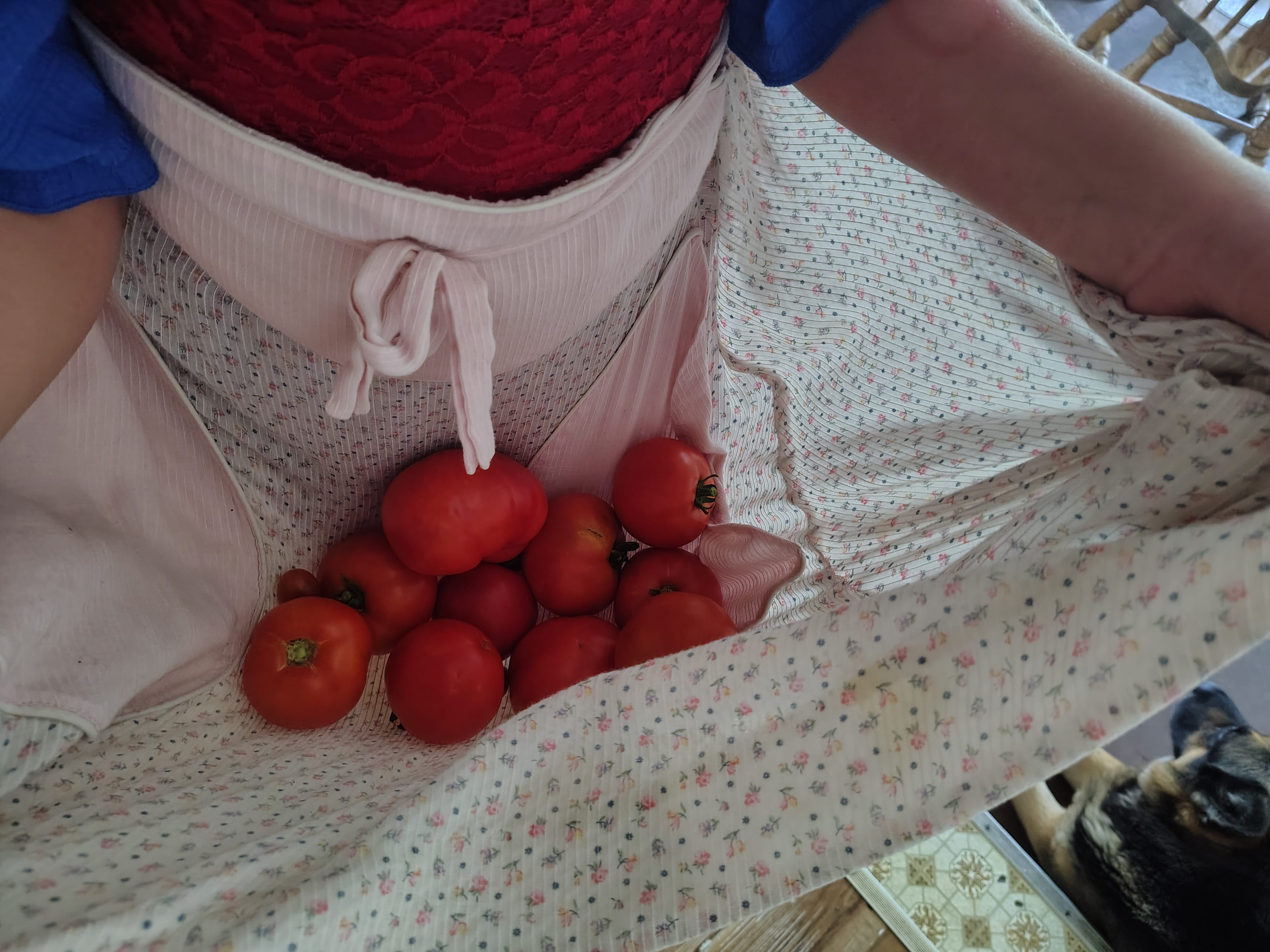
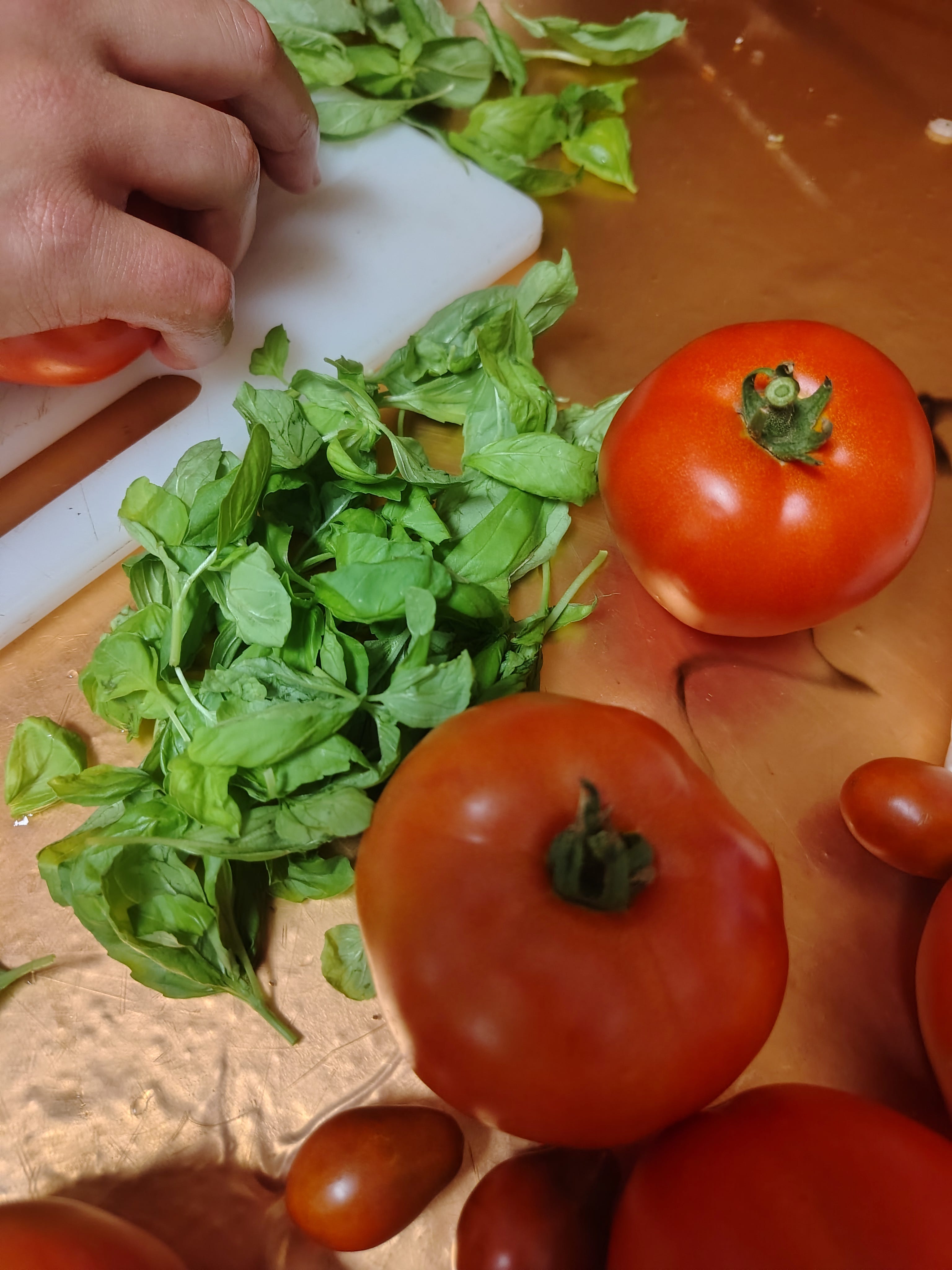
Verdict: try again next year with the tomatoes, and with the cucumbers in an even more biodegradable format. No squash.
I always hear the warnings about transplanting cucurbits….
And I’ve never actually had an issue. They do fine as long as you don’t mess with the roots too much. I handled them just like my tomatoes.
Love that it worked, looks awesome!